Helping Your Child See Clearly Now—and for Life
Myopia, commonly known as nearsightedness, is a growing vision concern, especially among children and teens. At Today’s Vision River Oaks, we specialize in myopia control and management to help slow the progression of myopia and protect long-term eye health.
What Is Myopia?
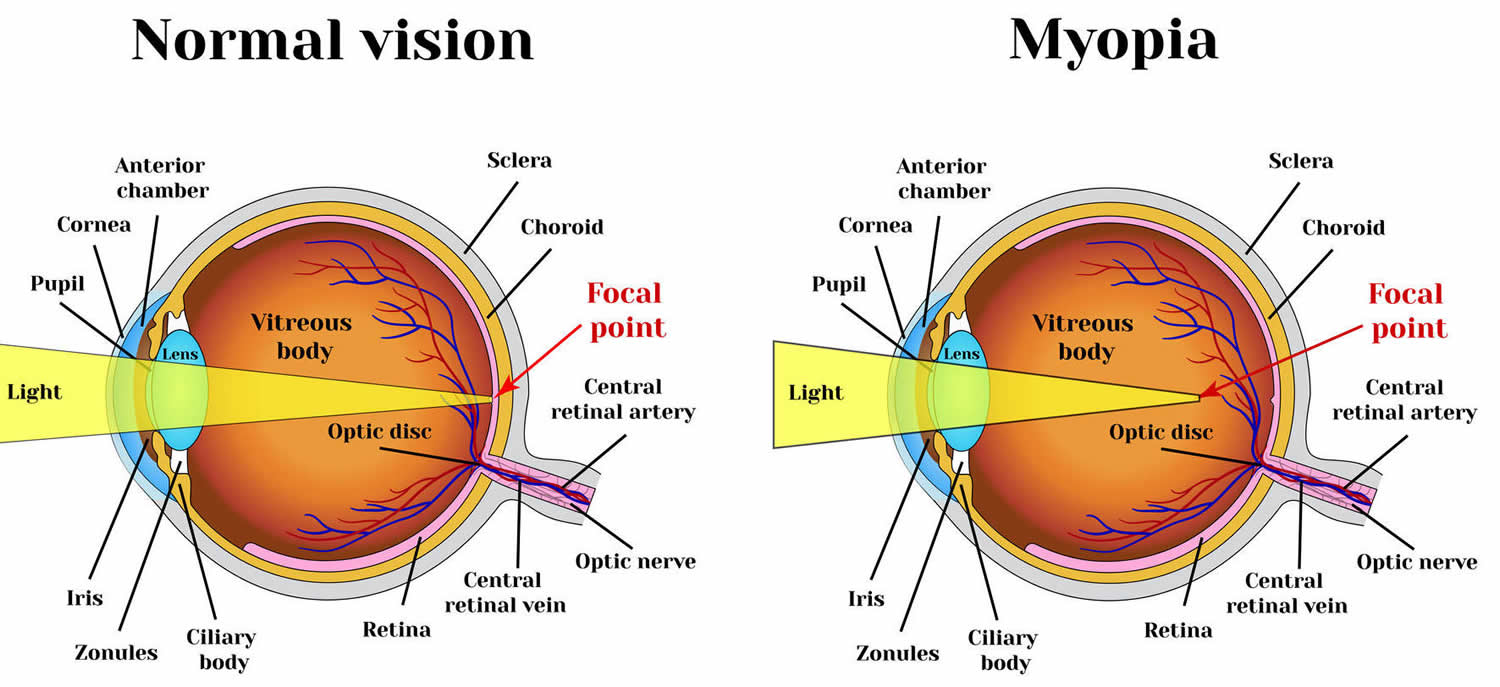
Myopia is a refractive error where close objects appear clear, but distant objects look blurry. It typically develops during childhood and can progress rapidly as the eyes grow. Without intervention, high levels of myopia can increase the risk of serious eye conditions later in life, including:
- Retinal detachment
- Glaucoma
- Cataracts
- Myopic macular degeneration
Signs and Symptoms of Myopia
If your child is experiencing any of the following symptoms, a comprehensive eye exam is strongly recommended:
- Squinting to see distant objects
- Sitting too close to screens or the front of the classroom
- Frequent headaches or eye strain
- Complaints of blurry distance vision
- Difficulty seeing the board at school
- Rapid changes in eyeglass prescription
Early detection is key to effective management.
Why Myopia Control Matters
Myopia is not just about needing glasses—it’s about preventing long-term eye health risks. Controlling the progression of myopia can:
- Reduce the need for thick glasses or contacts
- Lower the risk of vision-threatening conditions
- Improve quality of life during school, sports, and social activities
Current Myopia Management Options
At Today’s Vision River Oaks, we offer the latest evidence-based treatments to help manage myopia:
- MiSight® 1 Day Soft Contact Lenses
FDA-approved daily disposable lenses specifically designed for children with myopia. These lenses correct vision while slowing the progression of nearsightedness. - Low-Dose Atropine Eye Drops
A safe, nightly eye drop shown to reduce the rate of myopia progression in children. Easy to use and well tolerated. - Multifocal Soft Contact Lenses
Specially designed lenses that correct vision and slow the growth of the eye, which is linked to worsening myopia. - Lifestyle & Visual Hygiene Counseling
We provide guidance on screen time habits, outdoor activity, and proper reading posture—all proven to support healthier vision in children.
Is Your Child at Risk for Myopia?
Myopia is more likely to develop if:
- One or both parents are nearsighted
- The child spends significant time on screens or reading up close
- Outdoor time is limited
We recommend annual comprehensive eye exams starting by age 5, or earlier if symptoms are noticed.
Take the First Step Today
If you suspect your child may be developing myopia, or if their prescription is increasing each year, now is the time to act. Our team is here to guide you through safe, proven treatment options tailored to your child’s unique needs.